About Us
Learn about the Global Scholars’ Network for Rojava Universities, our purpose, and why it’s important to recognize and protect the institutional autonomy of Rojava’s Universities.
About Us
The Global Scholars’ Network for Rojava Universities (GSNRU) brings together academics, researchers, educators, students, artists, writers, and public intellectuals committed to building and strengthening international academic solidarity with the universities of Rojava in North and East Syria.
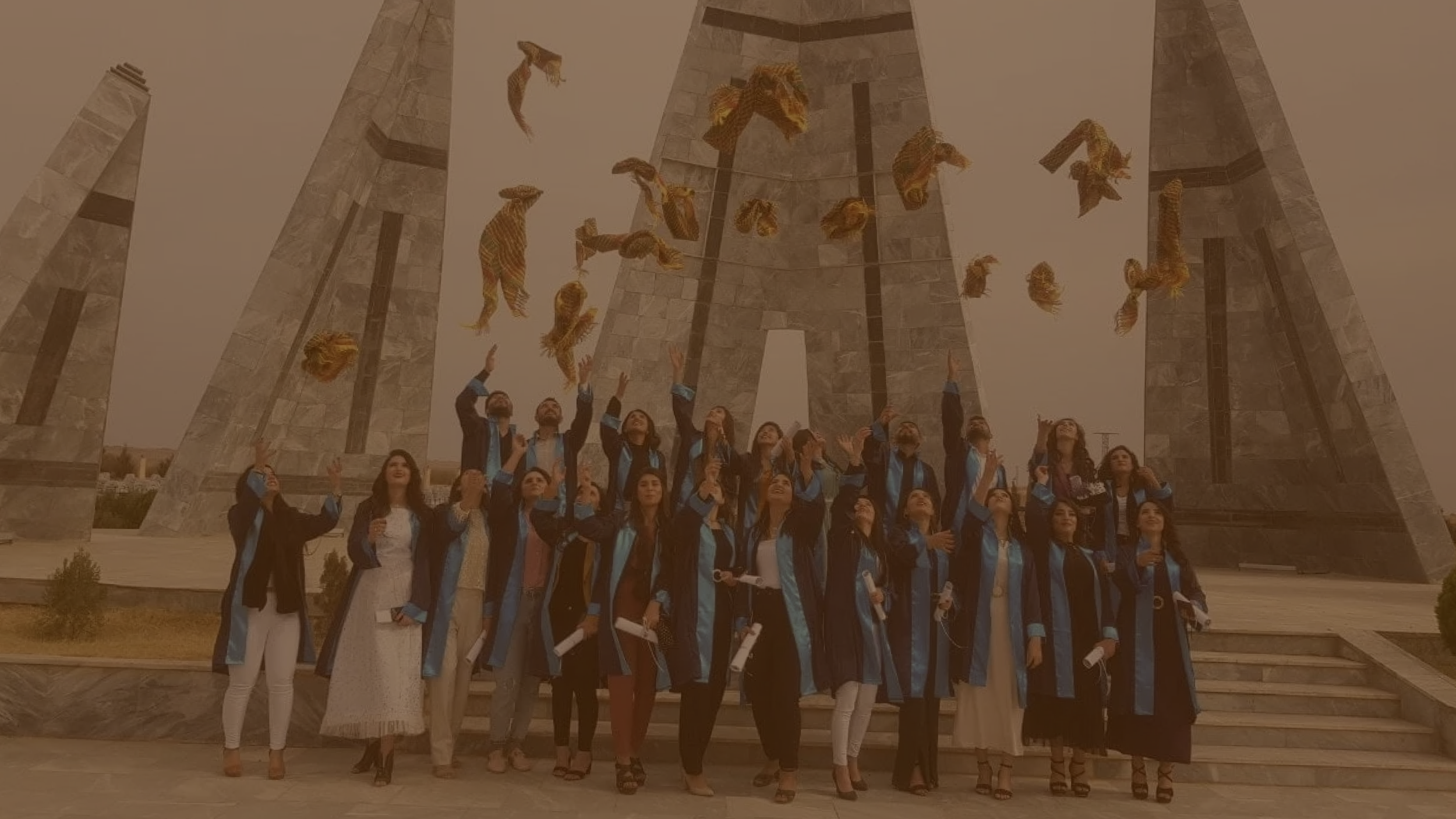
At a time when universities across the world face intensifying pressures from war, authoritarianism, privatization, political repression, and attacks on academic freedom, the universities of Rojava offer an important experiment in democratic and autonomous higher education. Built and sustained amid war, displacement, and economic and ecological destruction, these institutions have created spaces for critical inquiry, collective learning, and intellectual life. Since the founding of the first university in Rojava in 2016, students and scholars have worked to develop forms of higher education grounded in democracy, gender equality, ecological life, and linguistic plurality, especially instruction in Kurdish and other marginalized languages, seeking to place knowledge production in the service of society rather than state power or private profit.
The network seeks to defend the right to education in mother-tongue, support the recognition and institutional autonomy of Rojava's universities, and strengthen international academic cooperation through collaborative research, educational exchanges, and institutional partnerships. We approach academic solidarity as a political and ethical commitment to education as a public good, academic freedom, and the right of communities to build institutions that reflect their languages, histories, collective ethos, and aspirations.
We do not see the universities of Rojava simply as institutions in need of support, but as sites of political and intellectual creativity whose experiences challenge dominant assumptions about what a university is and whom it serves. Through relationships of mutual learning and collaboration across borders, the network seeks both to support these institutions and to contribute to broader struggles for intellectual freedom, democratic self-determination, and more just societies and futures.
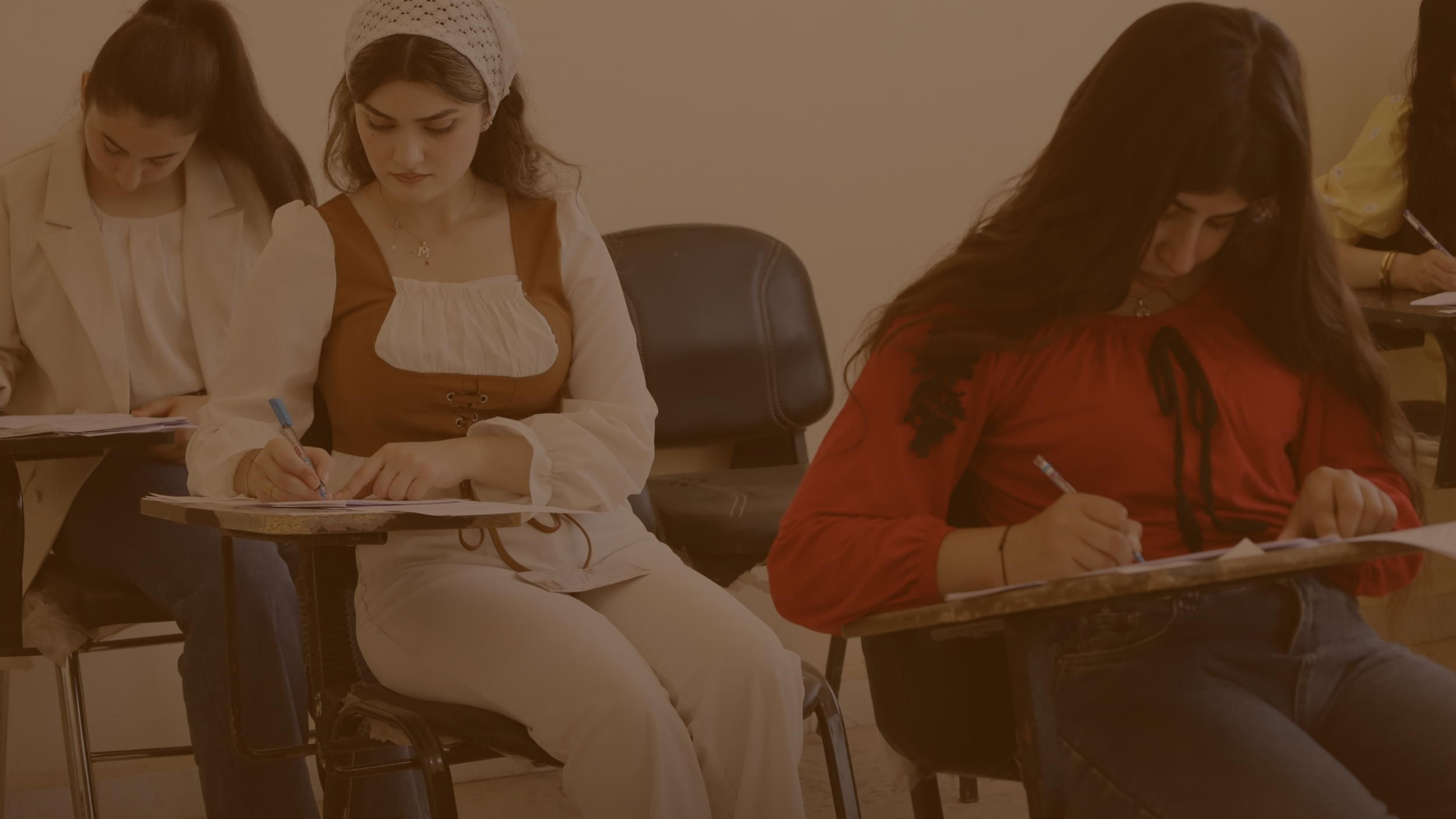
Why Rojava's Universities MatterThe universities of Rojava emerged from a decade of social and political transformation in North and East Syria. Following the Rojava Revolution in 2012, grassroots academies developed alongside neighborhood communes, women's organizations, and other institutions of democratic self-governance. Building on these experiences, Afrin University was established in 2015, followed by the University of Rojava in 2016, Kobani University in 2017, and Al-Sharq University in Raqqa in 2021. These institutions expanded access to higher education in a region long marginalized by the Syrian state's educational policies, where Kurdish language and history had been systematically excluded from formal education. Over the past decade, Rojava's universities have graduated approximately 3,000 students, and around 5,000 new students have registered for the 2026-2027 academic year despite all uncertainties around the future of these universities.
More than institutions for professional training, Rojava's universities have sought to develop alternative approaches to knowledge production, teaching, and university governance. Kurdish-language education, Jineolojî (the science of women and life developed by the Kurdish women's movement), women's participation in university governance, and curricula responsive to the needs of local communities are central to this project. Their development raises fundamental questions about who produces knowledge, whose histories and languages are recognized, and how universities can contribute to the societies in which they are embedded, collective self-determination and democratic life.
Today, this educational project faces a critical turning point. As part of the ongoing negotiations over the integration of North and East Syria into the new Syrian state, the University of Rojava and Kobani University are being incorporated into Syria's national higher education system.
In October 2026, the Syrian Higher Education Council approved the merger of the University of Rojava with Al-Furat University and Kobani University with Aleppo University. The Ministry of Higher Education is directing much of this process, with limited participation by the universities' own leadership in decisions concerning their future.
While the integration process promises formal recognition of degrees and academic programs, it also threatens to undermine the institutions' autonomy and the educational principles on which they were founded. Several faculties have received approval to continue operating, while decisions concerning others have been postponed. The future of Kurdish as a language of instruction, Jineolojî and other distinctive academic programs, and the universities' authority over their own curricula and governance remain uncertain.
For thousands of students and academics, these decisions will determine not only whether their degrees are recognized, but whether the institutions they have spent a decade building can continue as democratic and autonomous universities.